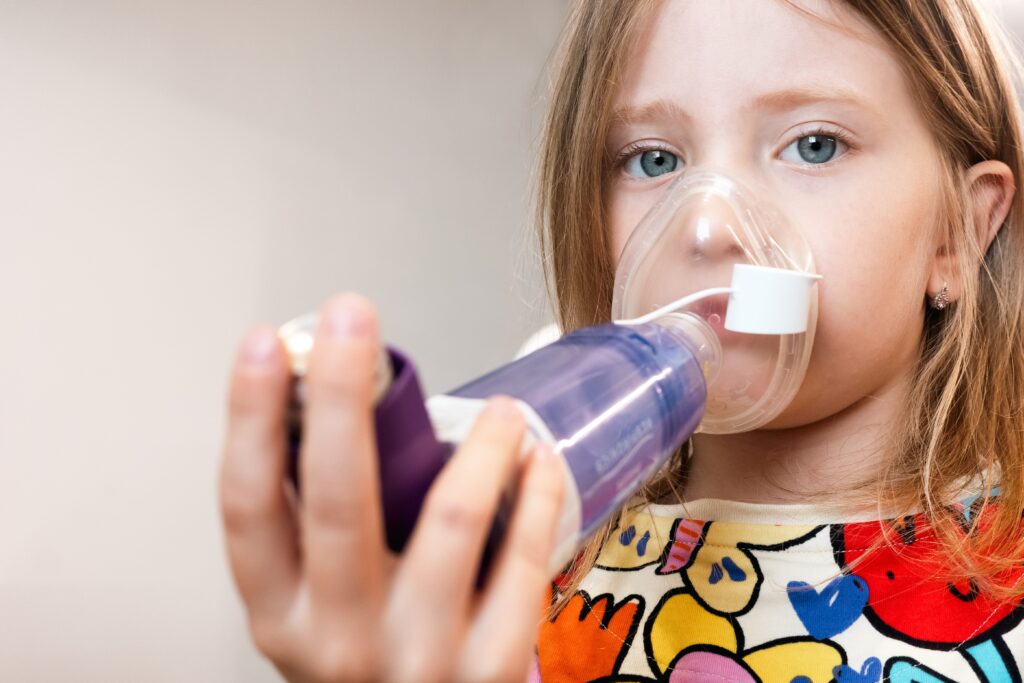
Researchers at Case Western Reserve University recently did a study of replacing gas stoves with electric induction stoves for people with poorly controlled asthma. They included households with both children and adults. The lead researcher, Ashwini Sehgal, Professor of Medicine, wrote about it in The Conversation.
They found that there was a 70% reduction in emergency room visits and hospitalizations. Missed work or school days went down 78%. Nitrogen dioxide (NO2) levels in homes went down 70%. They note that about 80% of the people in their study had meaningful improvements in their asthma. Also, about 95% of the people liked their new stoves.
People had a 40% decrease in waking at night with asthma, and a 38% reduction in asthma severity when they woke up. They also had a 38% reduction in activity limitation from asthma. In addition, people had a 50% reduction in the amount of wheezing, and a 35% reduction in needing rescue medicine. For comparison, the improvements they found were about double what is seen with medical treatment.
The average level of NO2 went from 21.0ppb to 6.3ppb.
The researchers also noted that this was supposed to be a 3 year study, but it only went about 6 months because funding was cut in 2025 when many grants were cut. They had planned to replace stoves for many more homes, but were not able to do that.
They also note that it might make sense for governments or health insurers to subsidize or cover the cost of new electric stoves for people with asthma. This makes lots of sense, if you think about it. The average cost for one hospitalization for asthma is about $5,000-$40,000. The cost of a new electric induction stove with installation was about $1500, if they needed to upgrade the electricity line then the total cost for the new electric induction stove with installation and upgrade was about $8500.
This doesn’t include the reduced suffering, which is a major benefit. It is compassionate and caring to keep people from getting sick, and to reduce the suffering of not being able to breathe. If you want to know what it’s like to have asthma, try to breathe through a thin straw for 5 minutes. Just think how wonderful it would be if we could prevent that suffering.
Georgia has about 40,000-42,000 ER visits each year due to asthma. This includes about 17,000-19,000 children who have to be hospitalized for asthma. We have about 4,600-5,200 people who are hospitalized for asthma each year. About 1800-2100 of the hospitalizations for asthma are children. (DPH OASIS numbers for 2022-2024, accessed July 2026).
The researchers also note that “Switching stoves is not a cure for asthma and may not help everyone. People with asthma should continue working with their physicians, taking prescribed medications and reducing exposure to other asthma triggers, such as cigarette smoke, dust mites, pollen and viral respiratory infections.”
Read the story by Prof. Sehgal about the study in The Conversation.
Read the actual study from Case Western Reserve University here.
AKMB 07/31/2026