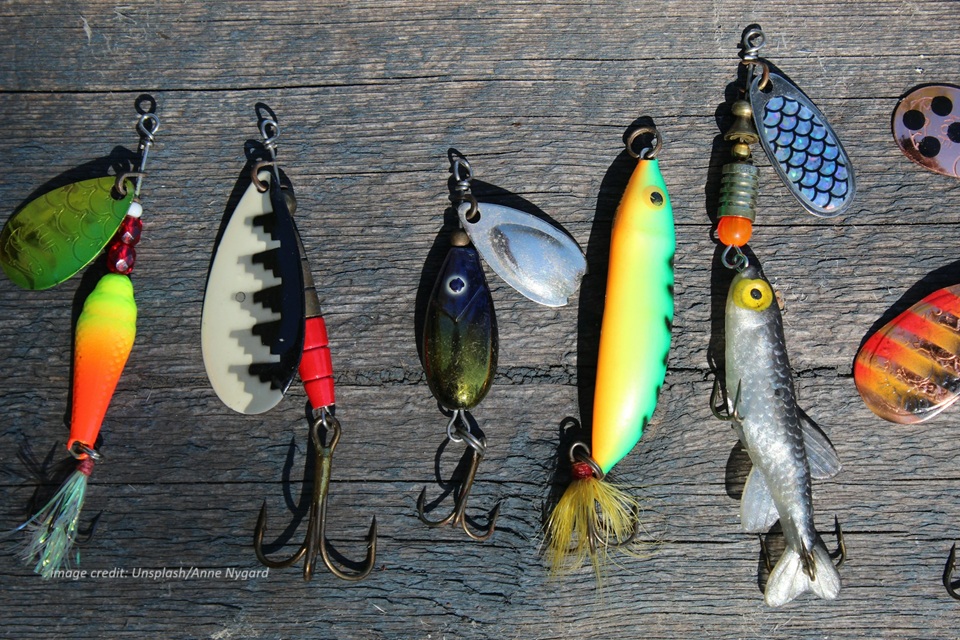
Did you know that many rivers and lakes in Georgia are contaminated with mercury, and the fish you catch and eat might be as well? Fish that live in contaminated water can absorb toxic chemicals and metals. If you then eat that fish, you also eat the toxic chemicals or metals it has absorbed.
In Georgia, only 10% of our large lakes (3 of 30) have no restrictions on eating any of the fish you catch. Only 23% of our rivers and estuaries (9 of 39) have no restrictions on eating any of the fish in them. For more than three quarters of the rivers and lakes in Georgia, you need to pay attention to which kind of fish you catch, how big it is, and where you caught it. Most of the restrictions are because of mercury contamination, some are for polychlorinated biphenyls (PCBs) or thallium, and there are a few for other heavy metals or toxic chemicals.
The Environmental Protection Division (EPD) in Georgia publishes guidelines for people who catch and eat fish from streams, rivers, and lakes in Georgia. These guidelines tell you what species and sizes of fish from which part of the river or lake are safe to eat or might be contaminated. The guidelines are set to be protective of children and pregnant women, who are most affected by mercury. Children are very susceptible to both mercury and thallium, because all their organs are still growing, and especially their brain is not fully formed.
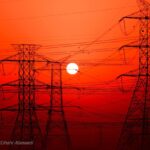
Where did the mercury come from? The US Geological Survey (USGS) notes that “the main source of mercury in the environment is from human activity through coal-combustion electrical power generation and industrial waste disposal.” In Georgia, much or most of our mercury came from coal power plants. Mercury came out of the smokestacks and deposited in streams where microorganisms turned it into methylmercury. Then it washed down from the streams to the rivers and lakes. Once the mercury becomes methylmercury, it is much more dangerous for our health because we absorb it more easily.
Having mercury in fish that we catch in lakes and rivers in Georgia, shows that we are still living with the contamination from decades of past air pollution that also made its way into our water.
It is why the 2012 Mercury and Air Toxics standard was so important for our health, and why the recent update to the MATS standards is also important. These standards on mercury from power plants keep us and our children healthy.
What you can do:
- If you eat the fish you catch in rivers, streams, ponds, or lakes, use the EPD Fish Consumption Guidelines to know how much to eat.
- Advocate with all your elected leaders at the PSC, state government, and federal level to stop burning coal.
People matter, our health and our children’s health matter, and how we make electricity affects our health in multiple ways.
.